
Panama City roofing for Bay County's mainland neighborhoods.
From the bayfront streets of St. Andrews to the subdivisions around Callaway and Parker, mainland Panama City homes sit close to where Hurricane Michael came ashore in 2018. iDEAL Home Solutions brings triple-licensed roofing, a local Northwest Florida team and claim-ready documentation to every roof we work on here.
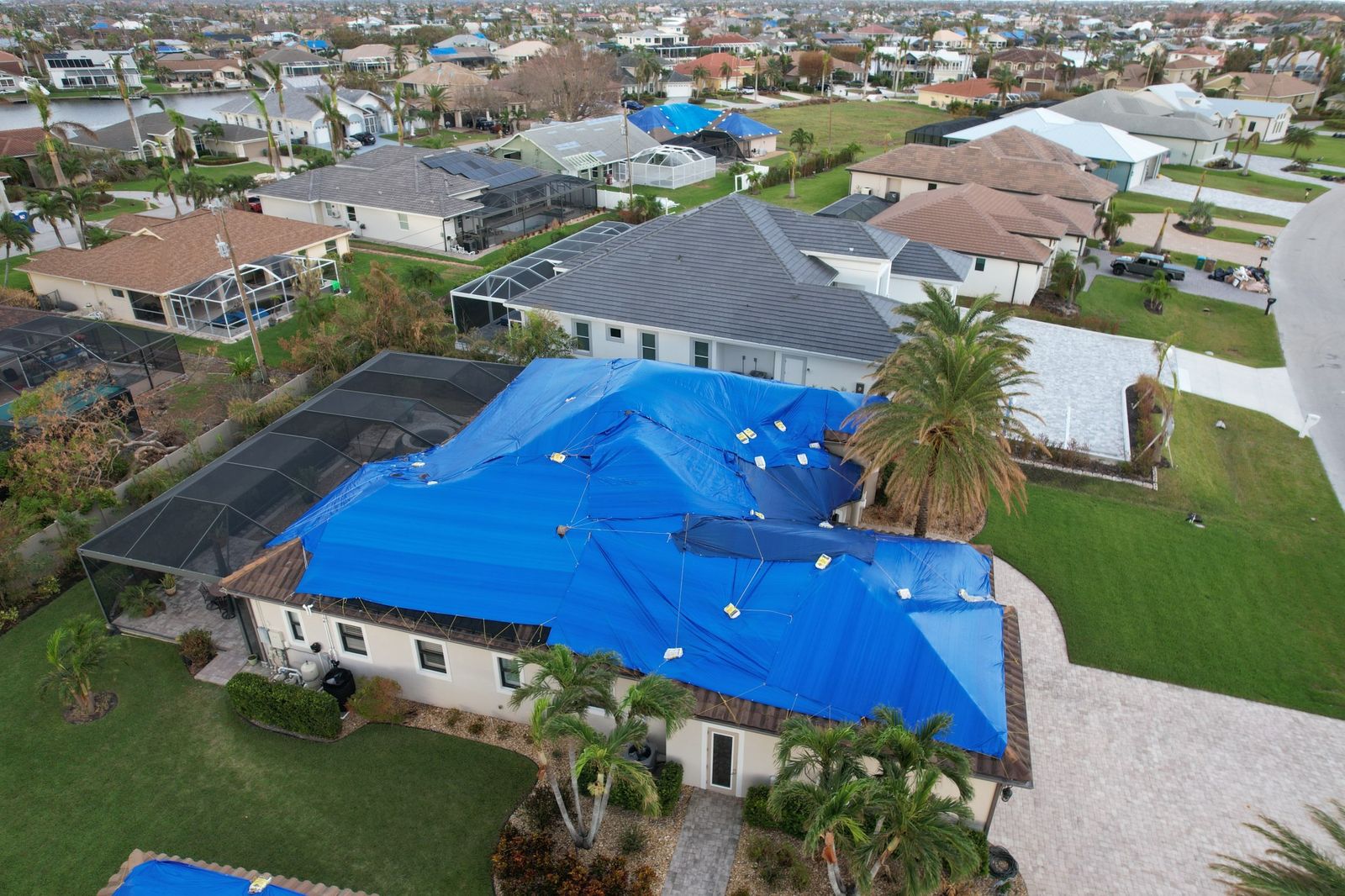
Roofing for mainland Panama City, from the bay to Tyndall
Panama City roofing comes with its own set of problems, and they look different from the condo towers and beach cottages on the other side of the bay. The mainland is older, more varied and closer to where Michael's eye made landfall. Homes here run from early wood-frame houses near St. Andrews Bay to post-storm rebuilds in Callaway and newer subdivisions toward Tyndall, and each one needs a roof matched to its age, framing and exposure.
Our Northwest Florida work is led by Regional Manager Bryan Smith, who has done insurance claim repair work across Bay, Okaloosa and Santa Rosa counties since Hurricanes Michael and Sally and works directly with building inspectors across the Panhandle. Behind him is a company holding three Florida licenses in roofing, building and solar, so one accountable roofing contractor in Panama City, FL can take a project from the first leak to the final inspection.
If your home is on the beach side, our Panama City Beach roofing crews focus on salt spray, Front Beach Road exposure and condo associations. Here we focus on the mainland.
Roofing systems we install on Panama City homes
Every system below is installed to current Florida Building Code wind requirements and backed by workmanship and manufacturer warranties.
Architectural shingles
The most common roof on the mainland and usually the lowest upfront cost. High-wind shingles with sealed starter strips and a six-nail pattern typically give 20 to 25 years here, and as a GAF Certified Plus contractor we can offer GAF enhanced warranties.
Standing seam metal
Metal costs more upfront but stands up to wind and heat for decades. Concealed fasteners matter near St. Andrews Bay, where humid salt air works on exposed screws.
Concrete and clay tile
Tile suits many stucco homes in newer subdivisions. It is heavy, so we confirm the framing can carry the load and use an attachment method rated for the home's design wind speed before we recommend it.
Leak repair
Plenty of mainland roofs were patched in a hurry after 2018. We trace leaks to the real source and fix them properly with our roof leak repair service.
Storm damage and claims
Emergency tarping, drone and photo documentation, and a written repair scope for your adjuster. See how our storm damage restoration works.
Gutters and drainage
Summer downpours overwhelm undersized gutters fast. We install seamless gutters and downspouts sized to move that water away from fascia, siding and foundations.
What Hurricane Michael changed for Panama City roofs
On October 10, 2018, Michael made landfall near Mexico Beach and Tyndall Air Force Base, southeast of Panama City, with estimated sustained winds of 140 knots. The National Hurricane Center's tropical cyclone report on Michael classifies it as a Category 5 landfall, only the second known on the northern Gulf Coast, and notes one of the lowest pressure readings in the eye came from Callaway. The National Weather Service in Tallahassee recorded a peak gust of 139 mph at Tyndall before the station stopped reporting.
The damage pattern on mainland homes was consistent: roofs failed at their weakest connection. High nailing, under-fastened decking and rafters with nothing tying them to the walls gave way first. Many roofs were then replaced in the months that followed, when crews were stretched thin and materials were scarce, and some of those rushed jobs are now showing their age early through lifted tabs, reused flashing and ventilation that was never corrected.
The rebuild of Tyndall shows how seriously the region took that lesson. The Air Force chose to rebuild the base to withstand future storms, a multiyear project reported by NPR in 2019. Homeowners in Parker or Springfield can apply the same thinking with better fastening, a sealed deck and stronger roof-to-wall connections.
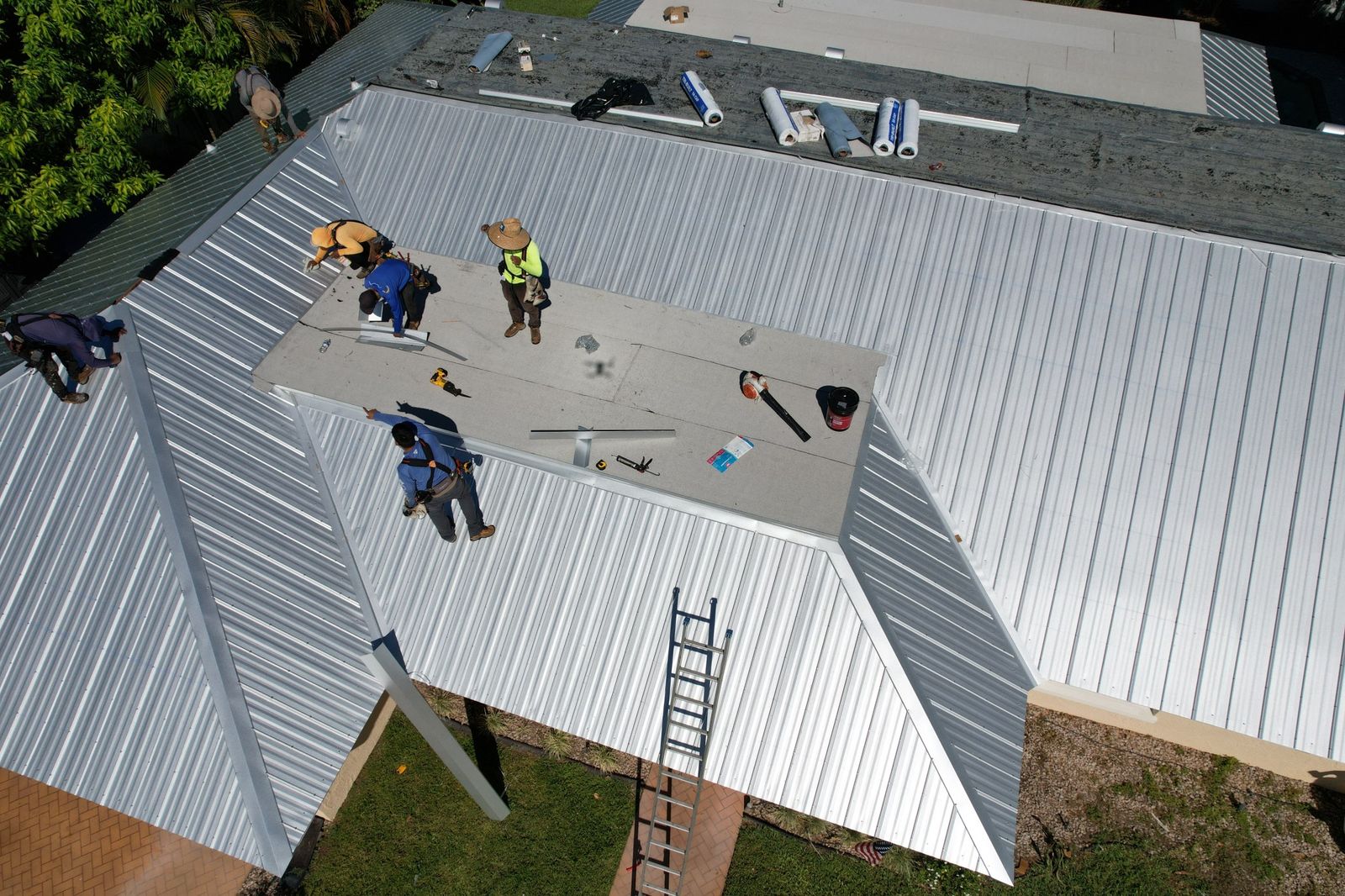
Panama City permits, wind rules and older-home requirements
Good Panama City roofing work starts with the right permit, and who issues it depends on the address. The City of Panama City runs its own Building Services Division, and its permits and inspections page lists roofing among the work that needs a permit before it starts. Unincorporated areas such as Youngstown go through Bay County's Building Safety Division, whose roofing permit packet calls for a notarized application, a Florida Product Approval affidavit for every roofing product and a Notice of Commencement recorded and posted before the first inspection. Callaway, Parker and Springfield are separate cities, so we confirm the right office for every address before filing.
On wind, most mainland homes fall inside Florida's wind-borne debris region. As the Florida Roofing and Sheet Metal Contractors Association explains, that region covers areas with an ultimate design wind speed of 140 mph or more, plus areas within a mile of the coast at 130 mph or more. Neighboring Lynn Haven lists a 140 mph wind zone on its own permit application. We confirm your exact design wind speed by address before choosing materials.
Older homes carry one more requirement. Under the Florida Building Code's existing-building rules, when the roof covering comes off a home in the wind-borne debris region with an insured or assessed value of $300,000 or more, the roof-to-wall connections must be improved, with that retrofit capped at 15 percent of the re-roof cost. Homes first permitted under the Florida Building Code are exempt, so this mainly affects houses built before 2002, which describes much of St. Andrews and the Cove. We check for it during the inspection so it never becomes a surprise change order, and a wind mitigation inspection afterward documents the upgrade for your insurer.
Neighborhoods and nearby cities we serve around Panama City
Our Bay County crews work across the mainland and the small cities that ring the bay.
Historic St. Andrews sits directly on St. Andrews Bay and was its own town until it was annexed into Panama City in 1927. Many homes there and in the Cove are older wood-frame houses with low-slope additions, so we look closely at decking and the seams where an addition meets the original roof.
East of downtown, Parker and Callaway sit closest to Tyndall and took some of the strongest winds in 2018, which is why so many of their roofs are now the same age. North of the city, homeowners in Lynn Haven deal with heavy tree cover and a separate city building department. Farther west, our Pensacola roofing team covers Escambia County.
How a Panama City roof project works with us
The same five steps we use on every project, adapted for mainland permitting and older homes. If there is no claim, we skip straight from documentation to your permit and install.
Inspect
A licensed inspection with drone footage and satellite imagery at no cost. On older Panama City homes we also check decking attachment and roof-to-wall connections.
Document
Every slope measured and photographed, with earlier post-Michael repairs recorded separately from new damage so the scope stays accurate.
Claim support
For storm damage you file with your insurer; we supply the photos, report and estimate. For retail work, this is where we file with the City or Bay County.
Adjuster visit
With your permission, on site with your adjuster to show the damage we documented, from decking to code upgrades.
Restore
Our own crews install the roof, pass the final inspection and register your workmanship and manufacturer warranties.
What Panama City roofing costs
These are honest planning ranges for mainland homes, not quotes. A free inspection is the only way to get your real number.
Roof repair
From a few storm-lifted shingles or a failed pipe boot up to a larger repair that involves decking. Emergency tarping is priced separately.
Roof replacement
A full roof replacement in Panama City for a typical mainland home, including tear-off. Shingle sits at the low end, with standing seam metal and tile higher. Size, pitch and decking condition all play a part.
Older-home upgrades
Roof-to-wall retrofits, replacement decking and added ventilation on pre-2002 homes. Where the code requires a retrofit, its cost is capped at 15 percent of the re-roof.
Storm damage can change your out-of-pocket cost dramatically. If a covered storm caused the problem, your share may be limited to the deductible, and our insurance claim support documents the damage the way an adjuster needs to see it. For retail replacements, flexible roof financing options can spread the cost over time.
Why mainland Bay County homeowners call iDEAL
There are plenty of roofing companies in Panama City, and after every storm more crews arrive from out of town and leave just as quickly. Here is what you get from a licensed Florida company with a permanent Panhandle team.
- Local Northwest Florida leadershipRegional Manager Bryan Smith oversees every Panhandle project and knows the building inspectors who will sign off on yours.
- Forensic inspectionsOwner Eric Flaherty is a HAAG Certified Inspector for residential roofs, which shapes how our team documents storm and wind damage.
- Triple-licensedCertified roofing, building and solar licenses mean the roof, the framing repairs and the bigger rebuild stay with one company.
- GAF Certified PlusOur 2026 GAF certification makes qualifying roofs eligible for GAF enhanced warranties.
- Claims documented properlyWe document the damage, and with your permission we can be on site when the adjuster inspects.
- Straight answersIf a repair will buy you more good years, we will say so, even on a roof that someone else told you to replace.
Frequently asked questions about roofing in Panama City
Straight answers for mainland homeowners in Panama City and the nearby Bay County cities.
It depends on the address. The City of Panama City permits roofing through its own Building Services Division, unincorporated areas like Youngstown go through Bay County's Building Safety Division, and Callaway, Parker and Springfield are separate cities. We confirm the correct office for your property and handle the filing.
It can. When a roof covering is replaced on a home in the wind-borne debris region with an insured or assessed value of $300,000 or more, Florida's existing-building code requires improved roof-to-wall connections, capped at 15 percent of the re-roof cost. Homes first permitted under the Florida Building Code are exempt, so we check your home's age and value during the inspection.
Most mainland homes sit in Florida's wind-borne debris region, where the design wind speed is 140 mph or higher, or 130 mph or higher within a mile of the coast. We look up the design wind speed for your exact address and choose shingles, metal or tile with Florida Product Approval for that rating.
Start with the permit history, which the City or Bay County can confirm, then schedule a roof inspection. We look for the common shortcuts from the post-storm rush, such as high nailing, reused flashing and missing ventilation, and give you a written report you can keep for insurance.
Our Northwest Florida team, led by Regional Manager Bryan Smith. Bryan oversees Panhandle crews and permitting and has done claim repair work in Bay County since Hurricane Michael.
For a typical single-family home, tear-off and installation usually takes a few working days once the permit is issued and materials arrive. Permit timing depends on which office reviews it,, so we give you a realistic start date before signing.
Request a free roof estimate in Panama City
Tell us about your roof or storm damage and our Northwest Florida team will follow up within one business day, with no pressure and no obligation.
In Panama City? Let us take a look.
Schedule a free estimate and we will inspect your roof honestly, explain the permit and code picture for your address, and walk you through your options and any claim.