
A wind mitigation report that can cut your premium.
Florida law requires insurers to give credits for homes built to resist wind. A wind mitigation inspection documents those features, and the right roofing upgrades can improve your rating. iDEAL Home Solutions helps you capture both the report and the savings.
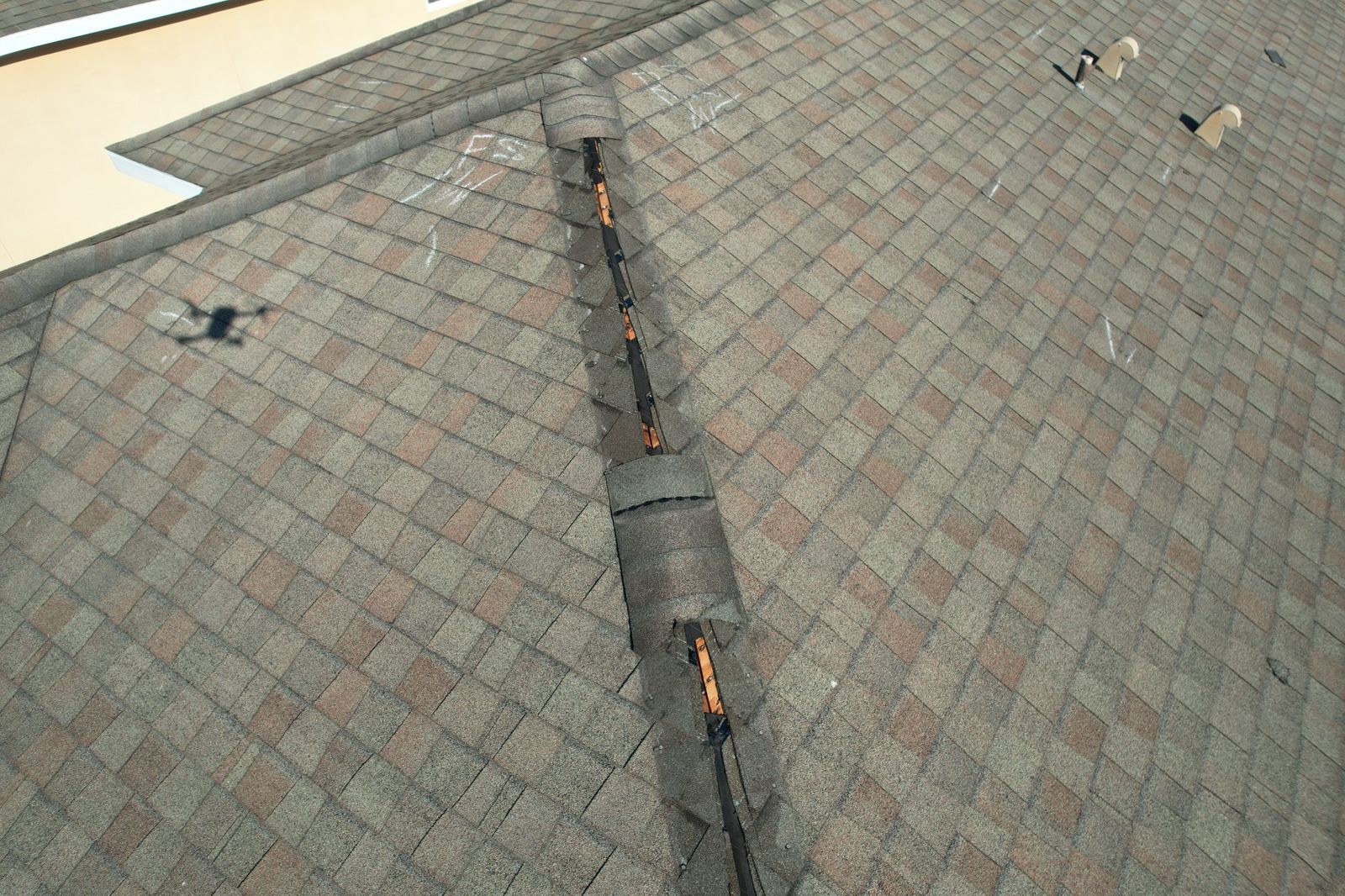
Here is something many Florida homeowners do not realize: you may already be paying more for insurance than you have to. If your home has storm-resistant features and nobody has ever documented them for your insurer, you are likely missing credits the state requires insurers to offer. A wind mitigation inspection is how you claim them.
iDEAL Home Solutions works with wind mitigation every day, because so much of it comes down to the roof. As a triple-licensed roofing and building company based in Bradenton, we understand exactly what an inspection looks for, and we can make the upgrades that move your rating in the right direction. This page explains what the inspection checks, how the savings work, and where a roofing contractor fits in.
What a wind mitigation inspection checks
A wind mitigation inspection is a standardized report, filled out by a qualified inspector, that records the specific features making your home more resistant to hurricane-force wind. Insurers use it to apply credits. These are the main things it looks at, most of them tied directly to the roof.
- Roof covering: whether the roof material meets current Florida building code and its install date.
- Roof deck attachment: the size and spacing of the nails holding the decking to the trusses.
- Roof-to-wall connection: whether toe nails, clips, or hurricane straps tie the roof to the walls.
- Roof shape: hip roofs shed wind better than gable roofs and earn a stronger rating.
- Secondary water barrier: a sealed underlayment that keeps water out if the covering is lost.
- Opening protection: whether windows, doors, and other openings are impact-rated or shuttered.
Each of those features can carry an insurance credit. The more of them your home has, and the better they are documented, the more you may save. Some homes already have features the owner never knew qualified, which is why the inspection so often pays for itself.
How wind mitigation lowers your premium
Florida statute requires insurers to provide discounts for construction features that reduce wind damage. The wind mitigation inspection is the paperwork that unlocks them. When the completed report is submitted to your insurer, they apply the credits your home qualifies for, and the wind portion of your premium, often a large share of a Florida policy, can drop.
The size of the savings depends on your home, but for many owners the credits meaningfully offset their premium year after year, not just once. Because the wind portion is such a big piece of coastal Florida insurance, even a few documented features can add up over the life of a policy. We cannot set your rates or promise a specific number, since that is up to your insurer, but we can make sure your home is documented and upgraded to earn every credit it can.
Upgrades that improve your rating
When your report shows room to improve, these are the roofing upgrades that move the score, and every one of them makes your home genuinely safer.
Roof-to-wall straps
Replacing toe nails with hurricane clips or straps ties your roof structure to the walls so it resists uplift. One of the highest-value features on the report.
Secondary water barrier
A sealed, self-adhered underlayment beneath the roof covering keeps water out even if shingles are lost in a storm, and it earns a credit on the report.
Deck attachment and code roof
Re-nailing the roof deck to current spacing and installing a code-compliant covering strengthens the whole system and updates your rating.
Wind mitigation and a new roof
If you are already replacing your roof, that is the single best moment to lock in wind mitigation credits, because the features are being built into the roof as it goes on.
When we install a new roof, we can build in the elements a wind mitigation inspection rewards: a code-compliant covering, a properly re-nailed deck, a sealed secondary water barrier, and, where the structure allows, improved roof-to-wall connections. Then a fresh inspection documents all of it for your insurer. You end up with a stronger roof and a report that reflects it, rather than discovering after the fact that a few extra steps during the install could have saved you money for years.
That is why we talk about wind mitigation as part of the roofing conversation, not a separate errand. If a new roof is on your horizon, our roof replacement page covers the material and process side, and we will fold the mitigation features into the plan. Upgrading your windows and doors to impact-rated units adds the opening-protection credit on top.
Getting the most from your inspection
The value of a wind mitigation inspection is only as good as what it documents and how it is submitted. We help you understand where your home stands today, which credits it already qualifies for, and which upgrades would be worth making before the inspection so the report reflects a stronger, safer home. The goal is simple: make sure your policy gives you every discount your home has earned, and that nothing eligible gets left off the form. If you also want the full picture of your roof’s condition, a roof inspection with photos and a written report covers the wear and damage that a wind mitigation form does not.
Why so many Florida homeowners overpay
Wind mitigation credits are not automatic. Your insurer does not send someone out to look for reasons to lower your bill. The credits only apply when a qualifying inspection is completed and submitted, which means a home can sit for years with a strong, storm-ready roof while the owner pays a premium that assumes none of it exists. Homes that were re-roofed to current code, or that already have hip shapes and good roof-to-wall connections, are especially likely to be leaving money on the table.
It is worth being clear-eyed about the roof's central role here. More of the credit-earning features on a wind mitigation report relate to the roof than to any other part of the house, from the covering and its install date to the deck attachment, the secondary water barrier, and the roof-to-wall connections. That is precisely why a roofing contractor, rather than a general inspector alone, is so useful in this conversation. We can look at your roof and tell you not just what it scores today, but what could realistically be improved and what that improvement is likely to be worth to you.
An inspection also has a shelf life. Reports are generally valid for a set number of years, so an old one on file may no longer reflect a newer roof or upgraded openings. If you have replaced your roof, added impact windows, or simply never had an inspection done, it is worth checking where you stand. The upside is real savings you keep collecting, and the downside is an hour of your time. That trade is why we bring wind mitigation up with nearly every roofing customer.
Our inspection and upgrade process
From knowing where you stand to a documented, credit-earning home.
Roof and home review
We look at your roof, attic, and openings to see which wind-resistant features your home already has.
Identify the credits
We flag the features that should qualify for insurance credits and any that are missing or undocumented.
Recommend upgrades
Where it is worth it, we recommend roofing upgrades that improve your rating and genuinely strengthen the home.
Complete the work
We install the upgrades to code, from re-nailing the deck to a sealed water barrier and stronger connections.
Document for your insurer
A completed wind mitigation report captures the features so your insurer can apply the credits you have earned.
Wind mitigation across the Suncoast
Based in Bradenton and helping homeowners capture wind mitigation credits across Manatee County, Sarasota, Tampa Bay, and the Florida Panhandle.
Wind mitigation questions, answered.
What Suncoast homeowners ask us most about wind mitigation and insurance credits.
It is a standardized report, completed by a qualified inspector, that documents the features making your home more resistant to hurricane-force wind, such as your roof covering, deck attachment, roof-to-wall connections, roof shape, water barrier, and opening protection. Insurers use it to apply premium credits.
It varies by home and insurer, so we cannot promise a specific figure. Because the wind portion is such a large share of a Florida policy, documented features can offset a meaningful part of your premium year after year. The more qualifying features your home has, the more you may save.
Roof-to-wall connections like hurricane clips or straps, a code-compliant roof covering, a sealed secondary water barrier, a hip roof shape, and impact-rated opening protection all carry credits. Roof-to-wall connections and opening protection are often among the most valuable.
In many cases, yes. When your report shows room to improve, we can re-nail the roof deck, add a sealed secondary water barrier, improve roof-to-wall connections where the structure allows, and install a code-compliant covering, all of which strengthen the home and can improve your rating.
That is the ideal time. A roof replacement is the one moment when the deck, covering, water barrier, and connections are all being worked on at once, so building in the credit-earning features costs far less than adding them later. A fresh inspection then documents it all for your insurer.
Yes. Opening protection is one of the features a wind mitigation inspection records. Impact-rated windows and doors, or documented shutter protection, can earn a credit on top of your roofing features, which is why many homeowners pair the two upgrades.
Paying too much to insure your home? Let us take a look.
Tell us about your roof and openings and we will help you see which wind mitigation credits your home has earned, and which upgrades are worth making.